Domestic Abuse Counselling in Glasgow and Barrhead: Safe, Confidential Support at Your Pace
If you have been searching for domestic abuse counselling Glasgow, there is a good chance you have been carrying far more than other people realise. Domestic abuse can leave you feeling frightened, confused, worn down or constantly on edge, even when you are trying hard to keep everyday life looking normal on the outside.
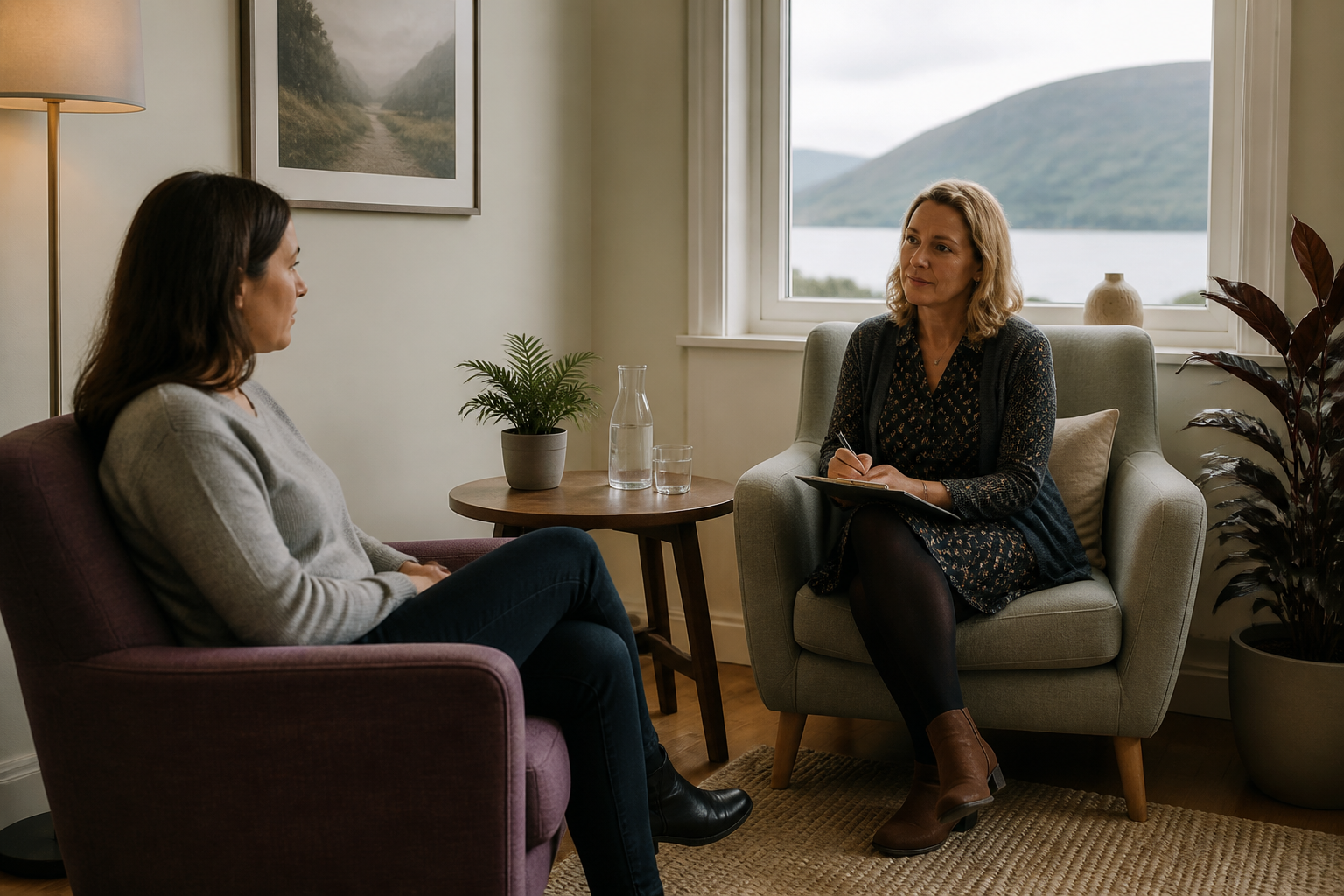
At Caring Counselling, I offer private one-to-one counselling in Barrhead and Glasgow, as well as online counselling support if travelling or being seen feels difficult. You do not need to arrive with the perfect words, and you do not need to explain everything in one session. We can start with what feels manageable for you.
If you are in immediate danger, please contact the emergency services first. Counselling is not a crisis response, but it can be an important part of longer-term support when you feel ready.
Domestic abuse counselling Glasgow: when support needs to feel safe
Many people wait a long time before reaching out. That delay does not mean what happened was not serious. Very often, it means you have been coping the best way you could while trying to stay safe, protect other people, keep working, manage family life or simply get through the day.
Domestic abuse is not always obvious from the outside. It can involve a current partner, a former partner, or a relationship that left a deep emotional impact long after it ended. You may still be questioning yourself, minimising what happened, or wondering whether counselling is the right step. Those doubts are common.
You do not have to tell the whole story at once
One of the biggest worries people have is that counselling will force them to say everything immediately. That is not how I work. We can begin with how life feels now, what has been hardest to carry, and what kind of support feels possible for you at this stage.
Some people come because they know they have experienced abuse. Others come because they feel trapped, anxious or emotionally worn down and want help making sense of what is happening. Both are valid starting points.
Counselling can help at different stages
You may be seeking support because you are:
still in the relationship and trying to understand what is happening
coping with coercive control, intimidation or emotional pressure
dealing with the aftermath of leaving
struggling with contact from an ex-partner
trying to rebuild confidence after months or years of being worn down
noticing that past abuse is affecting current relationships, sleep or anxiety
You do not need to have everything figured out before you ask for help.
What domestic abuse can look like
When people think of domestic abuse, they often think only of physical violence. In reality, abuse can take many forms, and its impact can be just as serious when there are no visible injuries.
It is not only physical
Domestic abuse may involve patterns such as:
being criticised, humiliated or belittled until your confidence is worn down
being monitored, checked up on or made to feel watched
feeling frightened of someone's reactions, anger or threats
being isolated from friends, family or sources of support
having money, transport or day-to-day choices controlled
being blamed for everything or made to doubt your own memory and judgement
walking on eggshells to avoid conflict or keep the peace
feeling pressured, intimidated or unable to say no safely
Sometimes a person recognises these patterns straight away. Sometimes they only become clearer later, especially when you have spent a long time trying to normalise them.
The effects can continue long after the relationship changes
People often seek counselling because the impact has followed them into everyday life. You might notice:
anxiety, panic attacks or a constant sense of dread
low self-esteem, self-blame or shame
difficulty trusting yourself or other people
sleep problems, exhaustion or feeling permanently on alert
struggling to set boundaries
confusion, emotional numbness or tearfulness
feeling guilty for leaving, or guilty for staying
problems concentrating at work or home
finding new relationships difficult because you expect control, criticism or fear
These reactions are not a sign of weakness. They are often signs that your nervous system and emotions have been under prolonged pressure.
How counselling can help after domestic abuse
Counselling cannot change what happened, but it can help you understand its effects, process difficult emotions and begin to feel more grounded in yourself again.
A calm, confidential space without judgement
At Caring Counselling, I offer a private space where you can talk openly without being rushed, doubted or pressured. Many people affected by abuse have spent a long time feeling dismissed, controlled or unheard. Counselling can be a different experience: one where your feelings are taken seriously and your pace is respected.
This can be especially important if you are holding questions such as, “Was it really abuse?”, “Why do I still feel so affected?” or “Why am I finding it hard to move on?”
Working at your pace, not someone else's
There is no correct timetable for talking about abuse. Some people need space to stabilise first. Others want to understand recurring patterns, panic, anger, grief or loss of confidence. Some want to focus on the present rather than revisit every detail of the past.
Because my approach is tailored to the individual, sessions can focus on what feels most relevant to you, including:
making sense of confusing or controlling relationship dynamics
reducing overwhelm and emotional pressure
exploring the link between abuse, trauma and anxiety
rebuilding a stronger sense of self
learning to recognise and hold healthier boundaries
processing guilt, shame or self-blame
finding words for experiences that have been hard to name
Rebuilding confidence, boundaries and trust in yourself
One of the most painful effects of domestic abuse is how deeply it can undermine self-trust. You may have become used to second-guessing yourself, apologising for things that were not your fault, or feeling responsible for managing another person's moods.
Through abuse and trauma counselling with Caring Counselling, we can work on recognising these patterns and strengthening your sense of safety, identity and emotional stability. For many people, that is where lasting change begins.
Domestic abuse counselling in Barrhead, Glasgow and online
Practical access matters, especially when privacy, travel or routine are difficult. I provide counselling from Barrhead for people in Glasgow and the surrounding area, with online options available if that feels easier.
Face-to-face or online support
Some people prefer the privacy of in-person counselling. Others feel more comfortable starting from home. Online sessions can be helpful if:
travel feels difficult or stressful
you want support without sitting in a waiting area
you need counselling to fit around work, family or other responsibilities
you feel more able to speak from a familiar environment
Whether you choose face-to-face or online, the aim is the same: to offer thoughtful, compassionate support in a way that feels manageable for you.
What a first session may involve
You do not need a polished explanation before you get in touch. A first session can simply help you begin. We might focus on:
what has brought you to counselling now
how the situation is affecting your daily life, emotions or relationships
what kind of pace feels safest and most comfortable for you
what you would like support with first
There is no pressure to disclose more than you want to. Starting gently is still starting.
Why people choose Caring Counselling
Qualified, compassionate support
At Caring Counselling, I, Jane Jack, provide a safe, confidential and compassionate space for people facing difficult emotional experiences. I am a qualified counsellor on the BACP Register of Counsellors & Psychotherapists, and I offer support tailored to your individual needs rather than a one-size-fits-all approach.
I work with a range of issues including abuse, trauma, anxiety, panic attacks, grief, emotional problems and self-esteem difficulties. If domestic abuse has affected your sense of safety or wellbeing, we can work together carefully and at a pace that feels right for you.
Common worries before making contact
I am not ready to say everything. You do not have to. We can begin with what feels possible.
I am still in the relationship. Many people seek counselling before they have made any clear decision about what happens next.
I am worried I will not be believed. Counselling should be a place where your experience is heard with care and without judgement.
I am ashamed I did not ask for help sooner. There is no right time to reach out. The important step is that you are considering support now.
I want private support. I offer one-to-one counselling in Barrhead, Glasgow and online so that support can feel more discreet and manageable.
Frequently asked questions
Can I start domestic abuse counselling if I am still in the relationship?
Yes. Many people seek support before they have made any final decisions. Counselling can give you space to talk honestly, think more clearly and explore what feels safest for you without pressure.
Is counselling helpful for coercive control or emotional abuse?
Yes. You do not need to have experienced physical violence for counselling to be relevant. Coercive control, intimidation, emotional abuse and constant criticism can have a deep effect on confidence, anxiety levels and day-to-day wellbeing.
Can I choose online domestic abuse counselling instead of face-to-face sessions?
Yes. At Caring Counselling, I offer online sessions as well as in-person counselling in Barrhead and Glasgow. For some people, online support feels more practical and more private.
Do I need to report the abuse before starting counselling?
No. Counselling is a space for emotional support and understanding. You do not need to have reported anything before seeking help.
Do I need to talk about everything in the first session?
No. We can start with how things are affecting you now. You set the pace, and there is no expectation that you explain everything straight away.
Take the first step when you are ready
If you are looking for domestic abuse counselling in Glasgow or Barrhead, you do not have to keep carrying this alone. A calm, private conversation can be the first step towards feeling more understood, more grounded and less overwhelmed.
Call Jane at 0141 846 7724 for a confidential conversation about counselling in Barrhead, Glasgow or online, or visit Caring Counselling to find out more about the support I offer.